

Understanding Risk-Taking Behavior
Risk-taking behavior is often driven by a variety of psychological factors that influence a person’s decision-making process. In the context of casinos, participants frequently engage in activities that involve a significant degree of uncertainty, such as gambling. This behavior can stem from a basic psychological need for excitement or stimulation, especially when they seek online casino fast withdrawal uk options that enhance their gaming experience. Many individuals find themselves drawn to environments where the potential for loss exists, as it often heightens the emotional stakes and enhances the overall experience of play.
Moreover, the thrill associated with taking risks can be attributed to the brain’s reward system. When individuals make risky decisions and experience a win, their brains release dopamine, a neurotransmitter linked to pleasure and satisfaction. This chemical response reinforces the behavior, making individuals more likely to repeat these actions in the future, even in the face of potential losses. Understanding this cycle is crucial in comprehending why people gamble despite knowing the odds are generally against them.
Social factors also play a significant role in risk-taking at casinos. Many individuals may be influenced by their peers or social networks when they choose to gamble. The communal atmosphere of a casino often encourages risk-taking; seeing others win can spark hope and the desire to emulate that success. Additionally, the social acceptance of gambling can normalize the idea of taking risks, making it feel less daunting. As a result, individuals may participate in these activities more readily, driven by both personal desires and the influence of the social environment.
Emotional Factors Influencing Decisions
Emotions are a critical component of the decision-making process in casinos. Gamblers often experience a rollercoaster of emotions during their time at the gaming table or slot machines. Positive emotions, such as excitement or hope, can propel someone to engage in riskier behavior, believing they are more likely to win. For instance, a player on a winning streak may feel invincible, leading them to increase their bets, even when the odds suggest caution.
Conversely, negative emotions like anxiety or stress can also drive individuals to take risks. Some players may gamble as a way to escape from their problems or alleviate feelings of discomfort. This coping mechanism can create a dangerous cycle where individuals mask their emotional struggles through gambling, leading to increased risk-taking in an attempt to recover losses or improve their mood. Understanding these emotional triggers is vital in assessing why individuals may overextend themselves in a gambling environment.

The interplay between emotions and risk-taking is often further exacerbated by cognitive biases. One common bias is the illusion of control, where players believe they can influence the outcome of a game through their decisions or strategies. This false sense of control can encourage more aggressive betting behavior, as individuals convince themselves that they have the power to change their luck. Recognizing these emotional and cognitive factors provides deeper insights into the psychology behind gambling in casinos.
The Role of Cognitive Biases
Cognitive biases significantly impact how gamblers perceive risk and make decisions in casinos. One prominent bias is overconfidence, where individuals believe they possess superior skills or knowledge about a game. This overestimation can lead players to take risks that they normally wouldn’t consider if they were more accurately assessing their abilities and the inherent randomness of gambling.
The availability heuristic is another cognitive bias that affects risk perception. Gamblers often base their decisions on recent experiences or vivid memories rather than statistical probabilities. For instance, if a player recently witnessed someone win a substantial jackpot, they may be more inclined to believe that winning is more probable than it actually is. This can lead to impulsive bets and increased risk-taking, as players chase perceived opportunities based on flawed reasoning.
Another critical bias that influences gambling behavior is the gambler’s fallacy, which is the misconception that past random events affect future outcomes. For example, a person may believe that a slot machine is “due” for a payout after a long streak of losses, leading them to take greater risks in hopes of betting on an imminent win. By understanding these cognitive biases, players can become more aware of their decision-making processes and potentially mitigate detrimental gambling habits.
Risk-Taking: The Casino Environment
The physical environment of a casino is meticulously designed to encourage risk-taking behavior among patrons. From the vibrant colors and bright lights to the strategically placed sounds of winning slots, every element serves to create an atmosphere that stimulates excitement and encourages prolonged play. This immersive experience can significantly affect players’ perceptions of risk and reward, often blurring the lines between calculated decisions and impulsive actions.
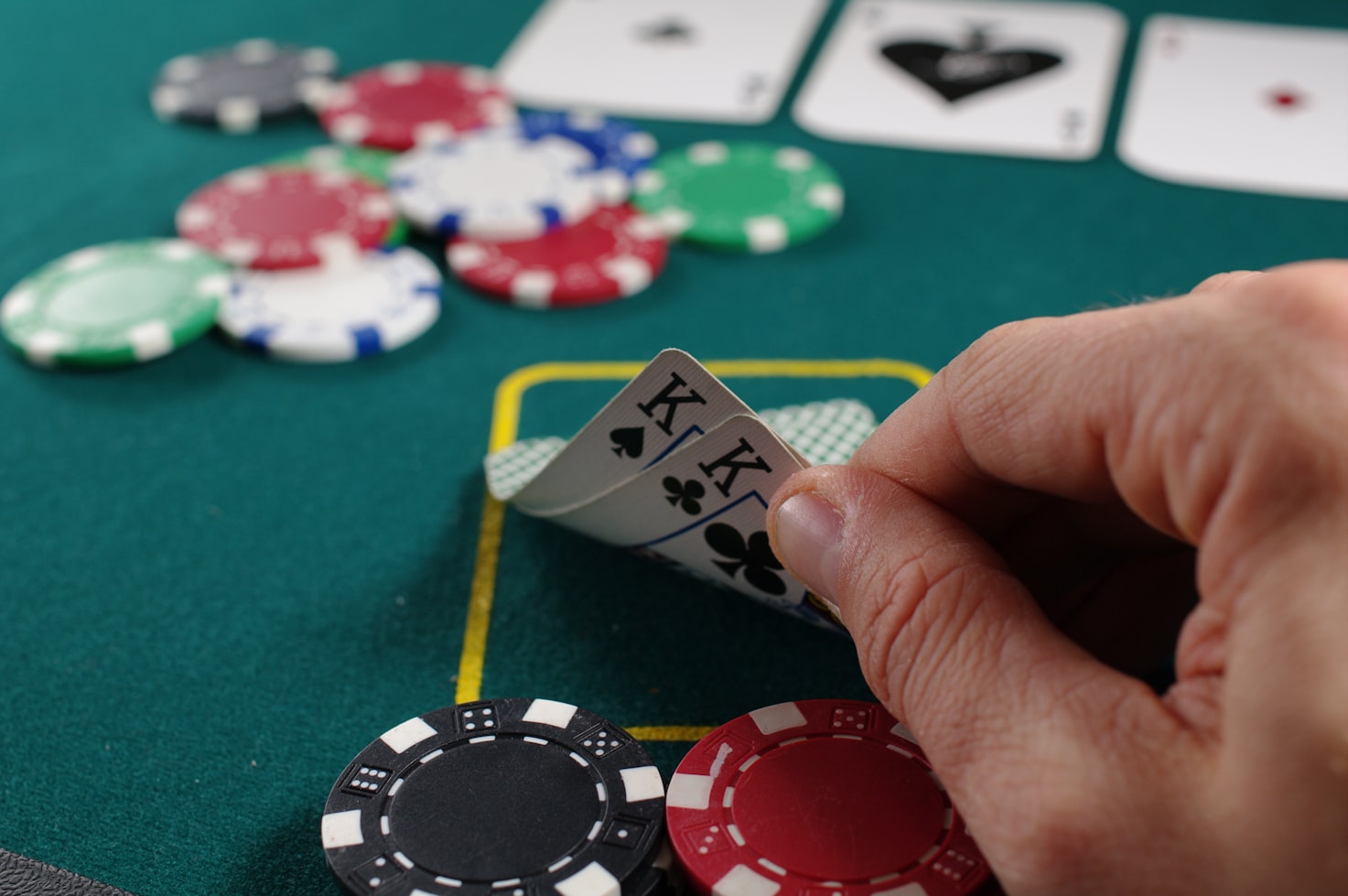
Moreover, casinos use various psychological tactics to create a sense of urgency and encourage higher betting. For instance, offering bonuses, promotions, or time-limited games can evoke feelings of competition and the fear of missing out. When players feel they have limited time to take advantage of an opportunity, they may be inclined to make riskier decisions to capitalize on that perceived urgency.
Additionally, the layout of a casino often promotes social interaction, which can further influence risk-taking behavior. Players may feel emboldened by the presence of others, leading them to take risks they might not consider when playing alone. This sense of community can transform a solitary decision into a shared experience, making individuals more likely to engage in risky bets simply because they are surrounded by others participating in similar behavior.
Exploring Responsible Gambling Resources
With the understanding of the psychology behind risk-taking in casinos, it becomes essential to address the importance of responsible gambling. Many individuals enjoy gambling as a form of entertainment, and when done mindfully, it can remain a fun activity. However, it’s crucial for players to recognize when their engagement crosses the line into problematic behavior. Responsible gambling resources can provide valuable support to those who find themselves struggling with their gaming habits.
Websites and organizations dedicated to responsible gambling offer educational materials, self-assessment tools, and access to counseling services for individuals in need. These resources can help players better understand their behavior patterns, identify triggers, and develop strategies to manage their gambling effectively. Promoting awareness of responsible gambling practices is vital in fostering a healthier relationship with risk-taking behaviors in casinos.
Ultimately, understanding the psychology behind risk-taking in casinos can lead to more informed choices among players. Engaging with resources that promote responsible gambling can help individuals enjoy their experiences while minimizing the potential negative consequences of their actions. As more people become aware of the psychological factors influencing their decisions, the casino environment can evolve to support healthier gambling habits and overall well-being.